Transmission Fluid Pressure Sensor/Switch "E" Circuit Low
The P0989 code means the vehicle's onboard diagnostic system has detected: Transmission Fluid Pressure Sensor/Switch "E" Circuit Low. This is a moderate severity code.
- Keep driving?
- Yes, but fix soon
- DIY difficulty
- moderate
- Estimated cost
- $80 - $450 (wiring or connector at the low end; sensor replacement at the high end - diagnose before buying parts)

Read and clear transmission codes. Many trans codes are caused by low or burnt fluid -- check level and color before assuming the worst.
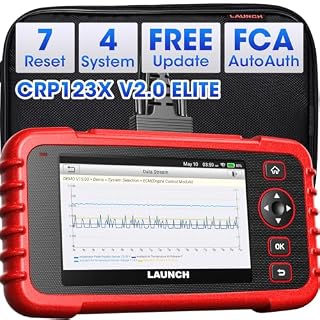
Basic scanners only read engine codes. This reads transmission, ABS, and airbag too.
Affiliate links — we earn a commission at no extra cost to you.
What Are the Symptoms of P0989?
- Check Engine Light on
- Drivability may be normal - many circuit faults show no symptom the driver notices
- The affected system may fall back to a default strategy, costing power or economy
- Related values implausible or frozen on a scan tool
What Causes P0989? (Most Likely First)
- Fault in the Transmission Fluid Pressure Sensor/Switch "E" circuit: the signal reading below its valid range - typically a short to ground or a failed component High
- Damaged wiring, a chafed harness, or a corroded connector at the Transmission Fluid Pressure Sensor/Switch "E" High
- Failed Transmission Fluid Pressure Sensor/Switch "E" Moderate
- Control module input/driver fault (rule this out last - it is the least common) Low
Can I Still Drive with P0989?
Yes, but fix soon. P0989 is rated moderate severity. It is not an immediate stop-driving fault, but it will not clear itself — book the repair rather than ignoring the light.
Frequently Asked Questions
What does P0989 mean?
P0989 is a generic OBD-II code defined by SAE J2012 as "Transmission Fluid Pressure Sensor/Switch "E" Circuit Low". It means the control module detected the signal reading below its valid range - typically a short to ground or a failed component
Can I keep driving with P0989?
Yes for normal use, but get it diagnosed - the system is running on a fallback strategy and a small wiring fault left alone tends to become a bigger one.
Does P0989 mean the same thing on every car?
Yes. P0989 is in the generic (SAE J2012) range, so the definition is standardized across manufacturers. The specific component location and repair procedure still vary by vehicle - check your service information.
Mechanics Guide Step-by-step diagnosis
How Do You Diagnose P0989?
-
Read the code and freeze-frame data, then watch the Transmission Fluid Pressure Sensor/Switch "E" live on a scan tool.
-
Inspect the connector and harness at the Transmission Fluid Pressure Sensor/Switch "E" before replacing anything - wiring and corrosion cause most of these.
-
Back-probe the circuit and compare signal, ground, and reference voltage against the service-manual values.
-
Wiggle-test the harness while watching the live value if the fault is intermittent.
-
Clear the code and confirm with a road test that covers the conditions in the freeze frame.
Sources 2
This page is built from documented references. Verify against your own service info before repair work.
- SAE J2012Diagnostic Trouble Code Definitions (defines the generic OBD-II code ranges)
- Cross-checked against the SAE J2012:2002 DTC table (2026-08-27)archived scan of the SAE standard — readable copy, not SAE’s current edition
Which Vehicles Commonly Get P0989?
- All OBD-II vehicles - this is a generic (SAE J2012) code with the same meaning across makes
Explore More
Was this helpful?
Send this to whoever is fixing the car — your mechanic, or the person asking what the light means.